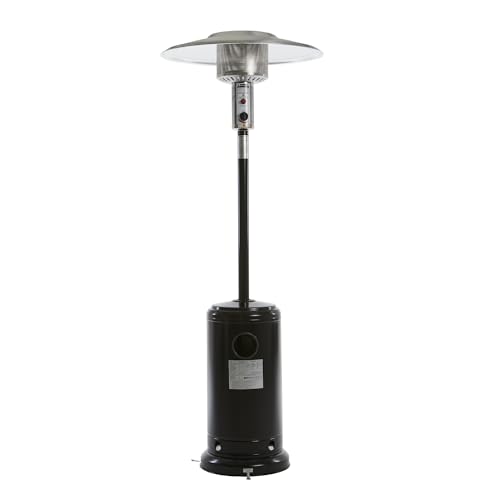
Understanding Heating Equipment: Types, Applications, and Considerations
Heating equipment plays a crucial role in keeping comfy living and working environments. Whether in the full report or commercial settings, efficient heater are essential for health, convenience, and efficiency. This article delves into numerous kinds of heating equipment, their applications, and essential considerations for selecting the best heater for particular requirements.
Types of Heating Equipment
Heating equipment can be broadly categorized into different classifications based upon fuel type, heating approach, and application. Below are the most common types:
| Type of Heating Equipment | Description | Common Applications |
|---|---|---|
| Furnaces | A combustion heater that warms air and distributes it by means of ducts. | Residential homes, commercial buildings. |
| Boilers | Heats up water to produce steam or warm water for heating space or supplying warm water. | Radiant heating, industrial processes. |
| Heat Pumps | Transfers heat from the air, ground, or water, using electrical energy to facilitate heating & cooling. | Residential homes, zoning systems. |
| Radiant Heaters | Warms objects directly without heating the air in between, frequently through electric coils or hot water. | Homes, fitness centers, workshops. |
| Space Heaters | Portable heaters that offer direct heat to a small area. | Houses, garages, workshops. |
| Hot water heater | Heats up water for domestic usages, can be tankless or storage types. | Residential restrooms, kitchen areas. |
1. Furnaces
Heaters are one of the most typical heating unit, especially in colder climates. They can be powered by different fuels, including natural gas, propane, oil, or electricity. This equipment operates by heating air and dispersing it through ductwork.
Advantages of Furnaces:
- Efficient heating throughout big spaces.
- Can be incorporated with air conditioning systems for year-round climate control.
2. Boilers
Boilers are significant for heating water and producing steam for main heating unit. Unlike heating systems, which heat air, boilers flow hot water or steam through pipes to radiators or underfloor heating systems.
Benefits of Boilers:
- Provide even heat distribution and preserve humidity levels.
- Can use renewable energy sources, such as wood pellets or solar power.
3. Heat Pumps
Heat pumps, typically considered versatile, can efficiently heat and cool spaces. These systems work by drawing out heat from outside sources (even in winter) and moving it inside.
Benefits of Heat Pumps:
- Energy efficient and can result in lower utility expenses.
- Eco-friendly as they utilize renewable resource.
4. Radiant Heaters
Radiant heat systems are created to heat things directly without warming the surrounding air. This method is typically more efficient, as it decreases heat loss.
Benefits of Radiant Heaters:
- Offer focused heating for targeted areas.
- Enhance convenience by maintaining more consistent temperatures.
5. Space Heaters
Space heaters are portable systems that supply extra heat in localized areas. They can be electric, propane-fed, or kerosene-based.
Benefits of Space Heaters:
- Cost-effective for heating small areas.
- Flexibility to move as required for convenience.
6. Hot water heater
Water heaters are important for providing hot water for domestic usage, consisting of bathing, cooking, and cleansing. They can be found in various types, including tankless, solar, and conventional tank-style heaters.
Benefits of Water Heaters:
- Essential for daily hygiene and family convenience.
- Energy-efficient options offered.
Secret Considerations When Choosing Heating Equipment
Choosing the ideal heating equipment is important for efficiency and comfort. Here are some crucial factors to consider to bear in mind:
- Energy Source: Assess the availability and expense of different fuel sources in your area. Natural gas tends to be more efficient, while electric systems might offer benefit.
- Size Requirements: Select a system sized properly for your space. Small systems might have a hard time to heat properly, while extra-large models can lead to ineffective heating and greater energy bills.
- Energy Efficiency: Look for equipment with high energy effectiveness scores. Gadgets with ENERGY STAR labels can help with expense savings and environmental preservation.
- Installation and Maintenance Costs: Consider both upfront purchase costs and long-term maintenance expenditures. Some systems may have greater initial costs however lower functional expenses.
- Ecological Impact: Evaluate options that lessen carbon emissions and decrease total environmental footprints, such as solar hot water heater or heat pumps.
Frequently Asked Questions (FAQs)
What is the most efficient kind of heating equipment?
The efficiency can vary, but heat pumps are generally considered extremely efficient, especially in milder climates. They can supply substantial energy cost savings compared to conventional heating techniques.
How typically should heating equipment be serviced?
Generally, it is recommended to service heating unit at least once a year. Regular upkeep guarantees efficient operation, durability, and safety.
How can I enhance the performance of my heating unit?
- Routinely change or clean filters.
- Seal leaks in ducts and windows.
- Use programmable thermostats to control temperature levels efficiently.
Exist environment-friendly heating options available?
Yes, options such as solar water heaters, biomass boilers, and geothermal heatpump offer eco-friendly heating solutions that utilize eco-friendly resources.
What size heating system do I need for my home?
The size will depend on numerous aspects, including the home's square footage, insulation quality, and local environment. An HVAC professional can conduct a load estimation to figure out appropriate sizing.
Heating equipment is a crucial element of structure convenience and effectiveness. With various options available, understanding the types and their applications is necessary for making informed choices. By thinking about energy sources, equipment sizing, effectiveness, and environmental effects, homeowners and businesses can guarantee their heater satisfy their needs effectively.
In conclusion, the very best heating service frequently includes balancing preliminary expenses, operational effectiveness, and environmental considerations-- making sure a warm and comfortable living environment for many years to come.